BPC-157 Spray
$109.99
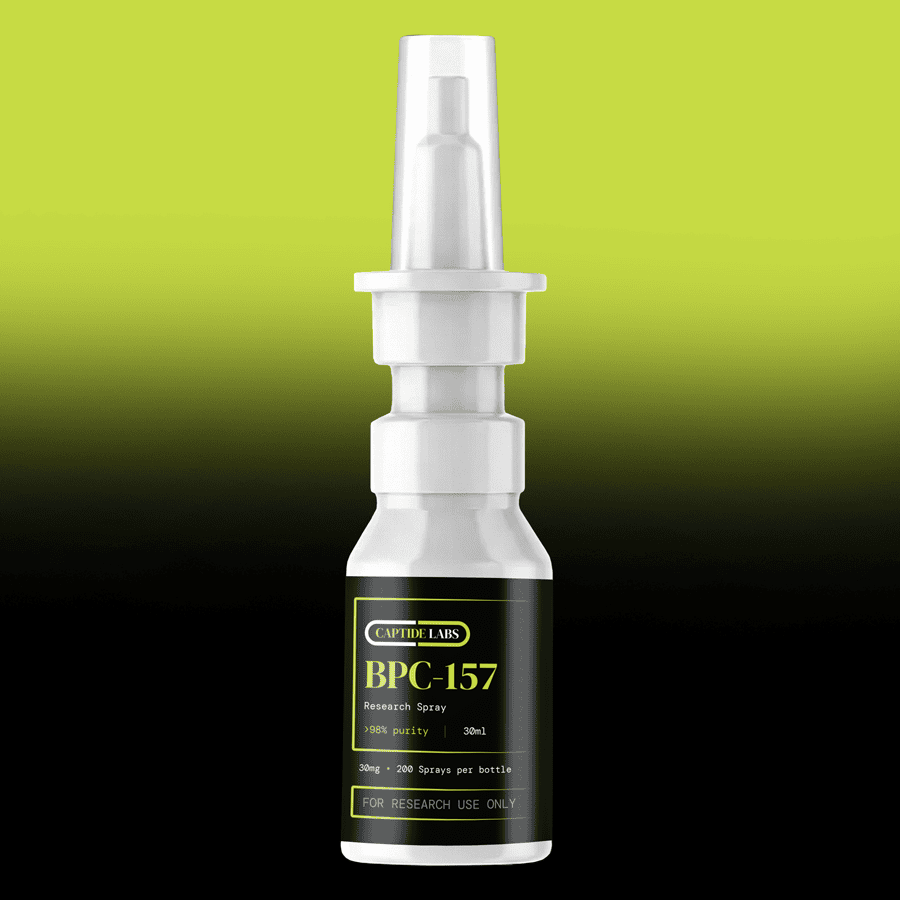
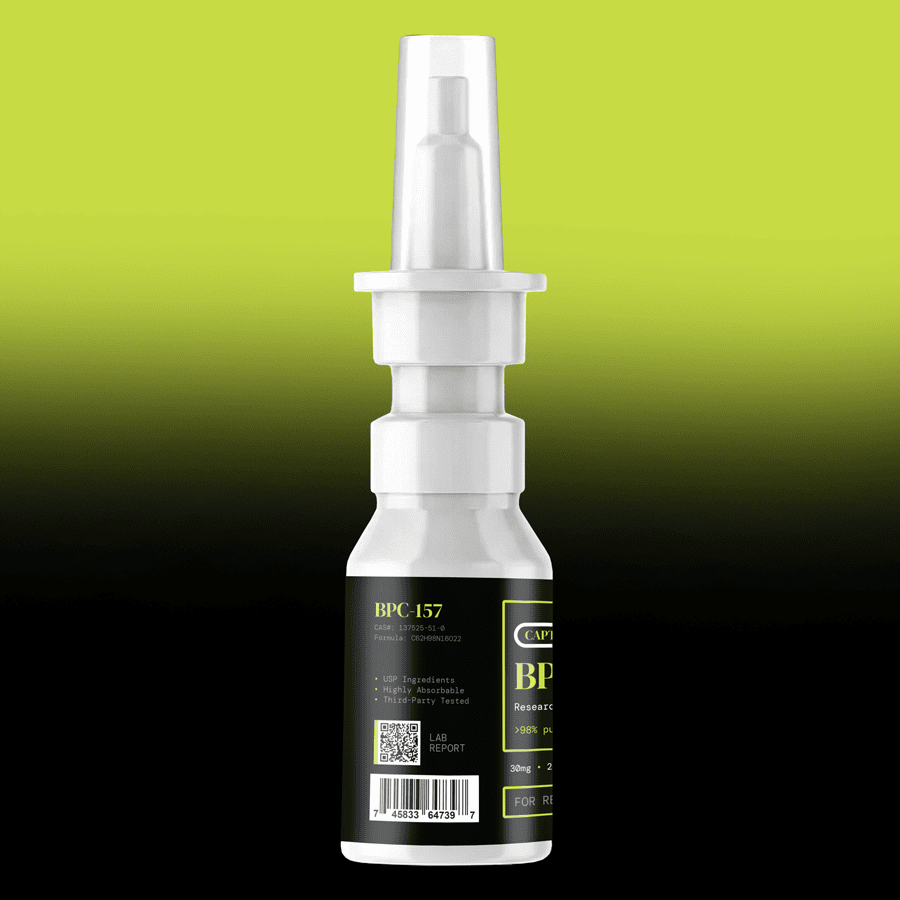
BPC-157 (Body Protection Compound) research spray — 30mg per 30ml bottle, 150–500mcg per actuation. Synthetic pentadecapeptide for tissue repair, GI mucosal protection, and angiogenesis research. CAS 137525-51-0. HPLC-MS tested, >98% purity. Third-party tested, ISO 17025 verified. For research use only.

- Description
- FDA Disclosure & Intended Use
- Storage Instructions
- Reviews (0)
- Research Use Only (RUO) Policy
Description
Description
Skin & Recovery →·Performance →
BPC-157 Research Spray | Body Protection Compound & Tissue Repair Peptide
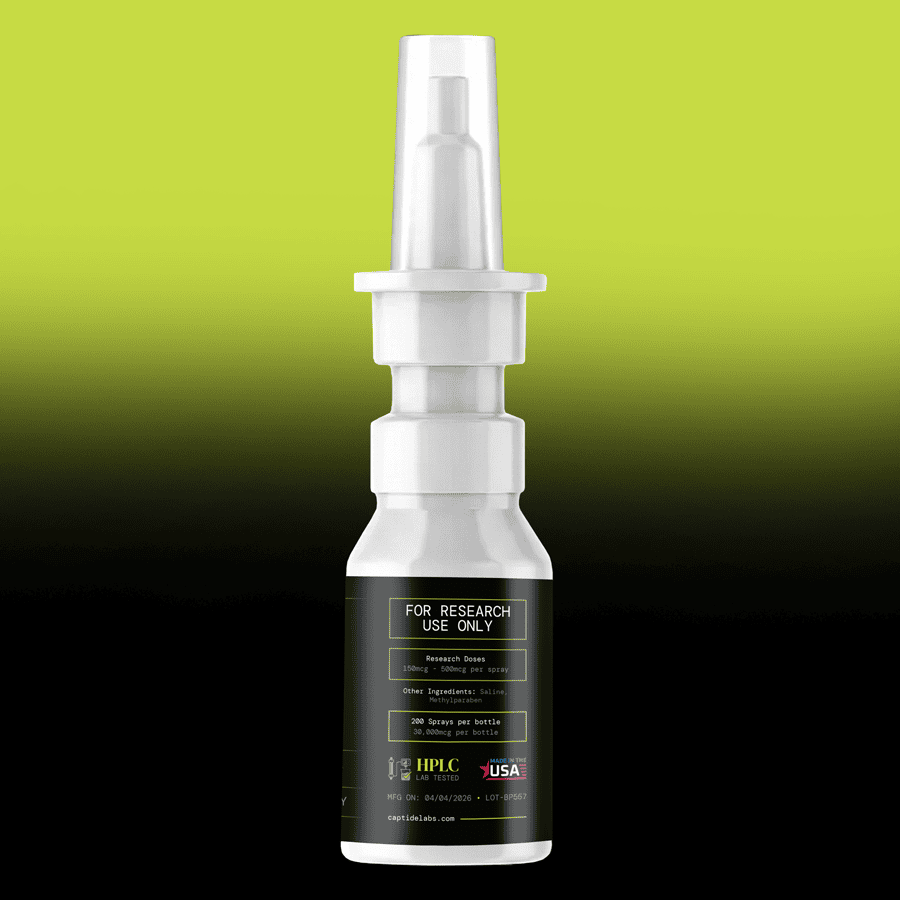
Captide Labs BPC-157 Spray delivers research-grade Body Protection Compound in a pre-formulated, ready-to-use liquid spray format. Each 30ml bottle contains 30mg of BPC-157 at greater than 98% purity, independently verified by HPLC-MS analysis and documented with a full Certificate of Analysis. Concentration is 1mg/ml, with each actuation delivering approximately 150–500mcg depending on application protocol.
BPC-157 (CAS 137525-51-0, also referenced as PL-14736), or Body Protection Compound-157, is a synthetic 15-amino acid peptide fragment derived from a protective protein in human gastric juice. First described by Sikiric and colleagues at the University of Zagreb in the early 1990s, it has accumulated one of the largest preclinical evidence bases of any research peptide — spanning tendon and ligament repair, gastrointestinal mucosal protection, angiogenesis, neuroprotection, and systemic anti-inflammatory activity. The liquid spray format provides an alternative to capsule delivery for research protocols where pre-formulated liquid is preferred.
What is BPC-157?
BPC-157 is a synthetic pentadecapeptide (15 amino acids) derived from a partial sequence of a protective protein isolated from human gastric juice. Unlike many research peptides that occur naturally in significant quantities, BPC-157 represents a stable fragment engineered for research utility — it demonstrates remarkable stability in gastric acid and remains active across a wide range of biological environments in preclinical studies, distinguishing it sharply from most peptide compounds.
First described in the scientific literature in the early 1990s by Sikiric and colleagues at the University of Zagreb (Croatia), BPC-157 has since accumulated one of the largest bodies of preclinical evidence of any research peptide. Researchers have characterized multiple signaling pathways involved in its activity, including modulation of the nitric oxide (NO) system, VEGF/angiogenic signaling, FAK-paxillin signaling, JAK2, and ERK1/2 pathways.
Areas of Active BPC-157 Investigation
Tendon, Ligament & Musculoskeletal Repair
BPC-157 has one of the largest preclinical datasets of any research peptide in the context of musculoskeletal repair. Animal models have demonstrated accelerated healing of transected tendons, ligament injuries, and muscle tears, with histological evidence of improved collagen organization and reduced fibrosis. Researchers have investigated its effects on tenocyte proliferation, fibroblast migration, and FAK-paxillin signaling in connective tissue cells.
Gastrointestinal Mucosal Protection
Derived from gastric juice protein, BPC-157 has been extensively studied in GI mucosal healing models — its original characterized application. Preclinical studies have demonstrated protective effects against NSAID-induced gastric ulcers, inflammatory bowel models (cysteamine-colitis), and intestinal anastomosis healing. Researchers have examined its effects on mucosal cell proliferation, tight junction integrity, and COX pathway modulation.
Angiogenesis & Nitric Oxide Signaling
BPC-157 has been shown to upregulate VEGF expression and promote angiogenesis in wound healing models, including tube formation by human umbilical vein endothelial cells (HUVECs) through ERK1/2 phosphorylation. Studies have demonstrated that BPC-157 can modulate NOS activity and that its pro-healing effects may be partly mediated through NO-dependent pathways in vascular and connective tissue.
Neurological & Neuroprotective Research
Preclinical studies have examined BPC-157’s effects in models of traumatic brain injury, spinal cord injury, peripheral nerve damage, and cuprizone-induced demyelination. Researchers have observed improved motor function recovery, reduced neuroinflammation markers, and enhanced nerve regeneration. Its interaction with dopaminergic and serotonergic systems has been investigated in behavioral models.
Cardiovascular Research
A growing body of preclinical work (Sikiric et al., Biomedicines 2022) has investigated BPC-157 in cardiovascular models including myocardial infarction, heart failure, pulmonary hypertension, arrhythmias, and thrombosis — with proposed mechanisms involving NO pathway modulation and angiogenic signaling restoration.
Systemic Anti-Inflammatory Activity
BPC-157 has demonstrated broad anti-inflammatory properties across multiple tissue types in preclinical models. Studies have reported suppression of pro-inflammatory cytokines, modulation of the COX-2 pathway, and reduced NF-κB activation. Its apparent systemic activity following both local and systemic administration has made it a subject of interest in inflammation research across multiple organ systems.
Frequently Asked Questions
What is BPC-157 used for in research?
What is the concentration of BPC-157 in this spray?
What is BPC-157’s mechanism of action?
What purity is Captide Labs BPC-157 Spray?
What is the CAS number for BPC-157?
Why a liquid spray instead of lyophilized powder?
How should BPC-157 Spray be stored?
For research use only. Not for human consumption, veterinary use, or food/agricultural applications. Not evaluated or approved by the FDA. Not intended to diagnose, treat, cure, or prevent any condition. All purchases are made with the understanding that this compound is strictly for in-vitro research and laboratory use. See the full Research Use Only (RUO) Policy.
FDA Disclosure & Intended Use
FDA Disclosure: The statements on this website and the products sold herein have not been evaluated by the U.S. Food and Drug Administration (FDA). These products are not intended to diagnose, treat, cure, or prevent any disease. Products sold are for Research Use Only and are not for human or animal use.
Intended Purpose: Products sold on this site are intended solely for basic laboratory research, pharmaceutical research, or the development of new tests. They are not intended for diagnostic, therapeutic, or clinical use.
Storage Instructions
Handling and Storage Tips:
- Keep peptides cold and away from light once received.
- For short-term use (days to weeks), refrigeration at 4°C (39°F) is acceptable.
- Lyophilized peptides are typically stable at room temperature for several weeks, making it suitable for moderate-term storage.
- For long-term storage (months to years), it’s best to freeze peptides at -80°C (-112°F). Freezing optimally preserves peptide stability for extended periods.
Reviews (0)
Total reviews
Persons recommended this product
Anonymous
Shopper
check_circle Verified
Shop owner replied
Anonymous
Shopper
check_circle Verified
Shop owner replied
There are no reviews yet.
Be the first to review “ ”
Thanks for your review!
Your feedback helps us improve our service.
Research Use Only (RUO) Policy
"RUO" is an abbreviation for Research Use Only. It is a designation used primarily by the FDA (Food and Drug Administration) for products, often in vitro diagnostic (IVD) components like reagents or instruments, that are in the laboratory research phase of development and are not intended for clinical diagnostic use.
READ MORE